- 10518 Cadillac St., Pineville, NC 28134
-
Monday – Friday: 7:30AM – 6:00PM | SAT: 7:30AM – 2:00PM | SUN: Closed
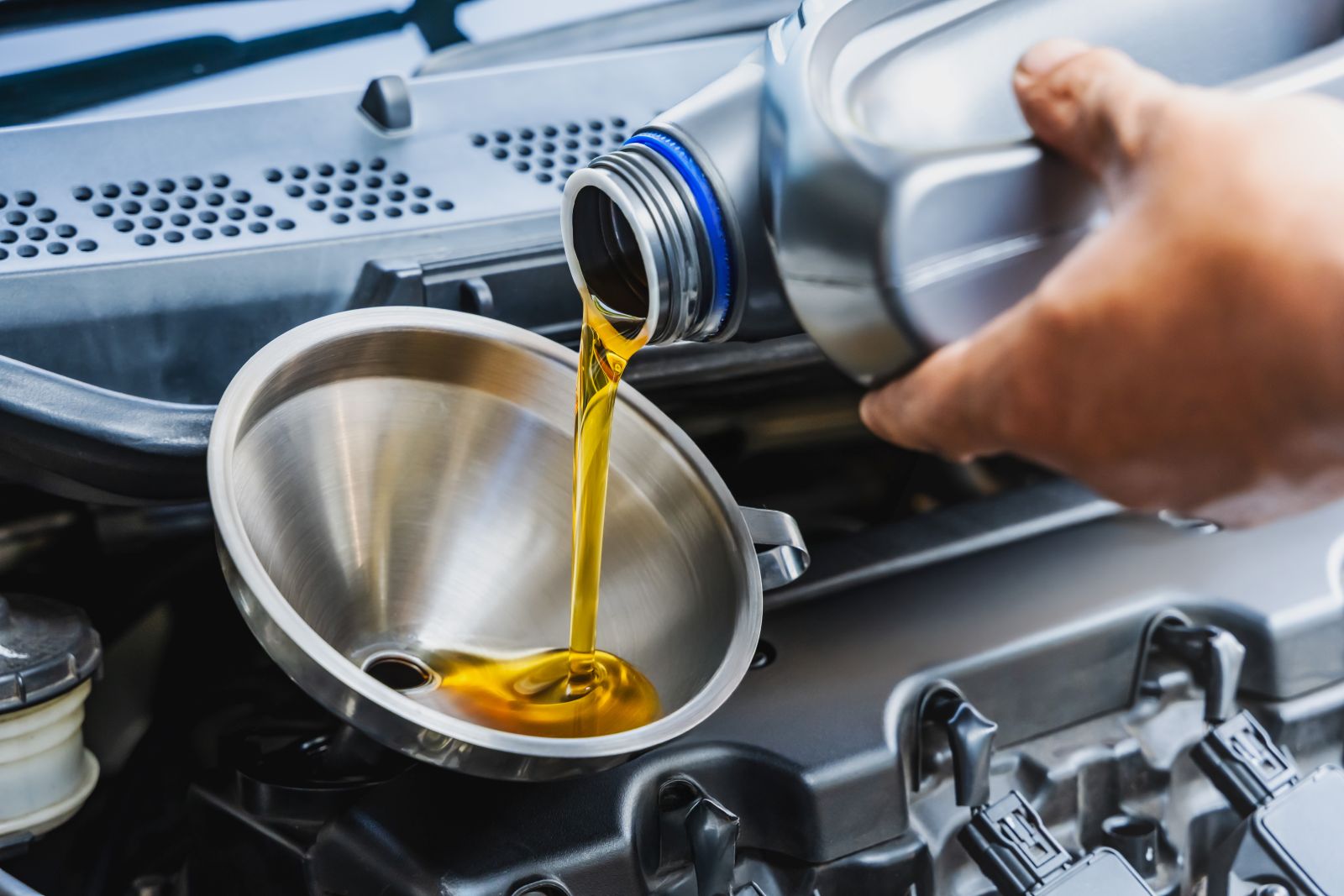
For most Hyundai drivers under normal conditions, somewhere around 7,500 to 8,000 miles is a reasonable oil change interval. That said, your actual number depends on your model, the oil it takes, and how hard your daily driving is on the engine. Staying on top of oil changes is one of the simplest things you can do for your engine’s long-term health.
The 7,500 to 8,000 mile range works well for drivers with a fairly normal routine, but it is a starting point, not a rule. Hyundai’s recommendation for your specific model and oil type is in your owner’s manual, and that is the most reliable number to work from. If your driving tends to be harder on the engine, shorter is better.
When you are ready to book, you can schedule a Hyundai oil change with South Charlotte Hyundai directly.
Oil breaks down from heat and use, not just mileage. An engine that runs short trips around town, sits in traffic on I-485, or never fully warms up puts more wear on oil than one doing steady highway miles.
Driving patterns that tend to shorten your effective oil change interval:
An oil change includes fresh oil and a new filter. The service team will also do a general check on the vehicle while it is in, so anything that needs attention gets flagged.
If you want to confirm what your Hyundai needs at your current mileage, the oil change service page is a good starting point.
Mileage is the most straightforward indicator, but it is not the only one worth watching:
| Sign to Watch | What It Means |
|---|---|
| Approaching your usual interval | You are near the mileage where you normally schedule service, so don’t let it slip. |
| Maintenance reminder is on | If your Hyundai has a dashboard reminder, that light is your cue to book sooner rather than later. |
| Recent stretch of harder driving | Towing, stop-and-go commuting, or hilly routes put extra demand on your oil and may warrant an earlier change. |
| Engine sounds or feels off | Any unusual noise or roughness compared to normal is worth getting checked, as old oil is one possible cause. |
All engines use some oil between changes, and a small amount is normal. The question is whether yours is using more than expected. If you find yourself adding oil before your next scheduled change, or the level looks low when you check it, that pattern is worth bringing up at your next visit so it can be noted and watched over time.
The most useful thing you can do in the meantime is check the level occasionally and keep track of whether it is dropping faster than it used to. That information helps the service team give you a clearer answer.
Staying ahead of oil changes does not require much effort, and it mostly comes down to a few consistent habits. Stick to an interval that actually fits your driving routine rather than defaulting to the longest possible one, and if you have had an unusually demanding stretch of driving, book service a little early instead of waiting it out. Before longer trips, it is worth taking a minute to check the oil level. And if your commute or daily routine shifts significantly (say, you start doing more city driving or short errands), it is a good time to reconsider whether your current interval still makes sense for how you are actually using the car.
Cost depends on your specific model, the oil type it requires, and what else comes up during the visit. Rather than a flat number that may not apply to your vehicle, the more useful move is checking what offers are currently available and booking from there. Start here: view current service specials.
Book an oil and filter change and keep your maintenance on track.
Not for every driver. It works well as a baseline for normal conditions, but if your driving includes a lot of short trips or stop-and-go, a shorter interval makes more sense. Your owner’s manual has the manufacturer’s recommendation for your specific model.
Yes, the filter is replaced as part of the service. If you want to be sure the right filter spec is used for your model and year, the service team can confirm that before the work starts.
Start by checking how often you are adding oil between changes. If it is happening regularly, bring it in and mention it so the team can note it and keep an eye on it.
In most cases, yes. City driving is harder on oil because of the idling, the frequent stopping, and the short distances that keep the engine from fully warming up. Going a bit shorter than the standard interval is a reasonable call.
Set a mileage target you can track and reset your maintenance reminder after each service if your vehicle has one. If you are not sure what interval fits your driving, ask the service team and they can give you a recommendation based on how you use the car.
The filter needs to match your vehicle’s spec. Using the wrong one can cause issues, so it is worth confirming the correct part for your model year rather than assuming any filter will do.
Check it on flat ground when the engine has been off for a few minutes. If the level is low, top it off and make a note of it. If it keeps happening, mention it at your next service visit so it can be looked at properly.
Highway driving is easier on oil in general, but the correct interval for your vehicle still comes from your owner’s manual. Use that as your guide rather than adjusting purely based on driving style.
Yes, it can. Full synthetic typically lasts longer than conventional, but follow what your Hyundai’s owner’s manual specifies for your model.
Yes, combining routine maintenance in a single visit is common and saves time. The service team can check what is due at your mileage and take care of it together.
If you want to keep oil changes simple and predictable, pick an interval that fits your driving and revisit it if your routine changes.
When you are ready, you can schedule an oil change and check current service specials to see if there is an offer that applies.